Our work in India

Tuberculosis is a major health problem in India. The country has the largest number of TB cases in the world — over a quarter of the global total.

Each year, more than three million people in India fall ill with TB, and over 300,000 people die from it. India also has the greatest burden of drug-resistant TB cases globally.

There is positive news though. Significant progress has been made in reducing TB incidence and deaths – including reducing the number of people with TB that never receive a diagnosis or treatment.

Support our work in India

TB treatment for all

Though TB treatment is provided free of charge by the Indian government, 250,000 individuals suffering from TB in India each year still do not access this vital care.

Addressing TB requires so much more than simply diagnosing and treating patients, it requires work to address the socioeconomic determinants of the disease and ensure equitable access to quality care.

Awareness:

Many people are simply unaware that free, comprehensive TB treatment is available, even if they know they are ill.

Geographic and economic barriers:

In rural areas, patients often face substantial challenges in reaching clinics. These include high transport costs, long distances to healthcare facilities and lost wages.

Social exclusion:

TB remains a highly stigmatised illness in India, which can deter people from seeking help. Vulnerable populations, such as specific tribal communities and lower castes, are also effectively cut off from public health services due to social and systemic barriers.

Preference for traditional healers:

Some individuals opt for traditional healers or alternative healthcare providers, who are poorly regulated and lack the necessary medical knowledge to effectively diagnose and treat TB. This can lead to delayed or inappropriate care, worsening the disease and risking further transmission.

Dr Mandal:

A prescription for collaboration with the private sector.

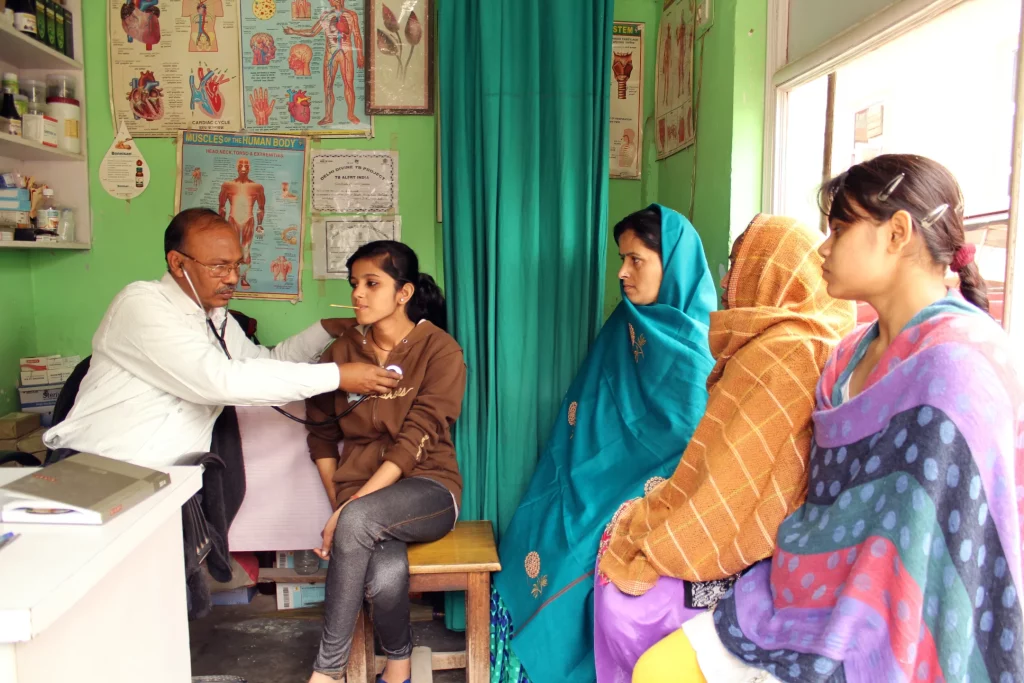
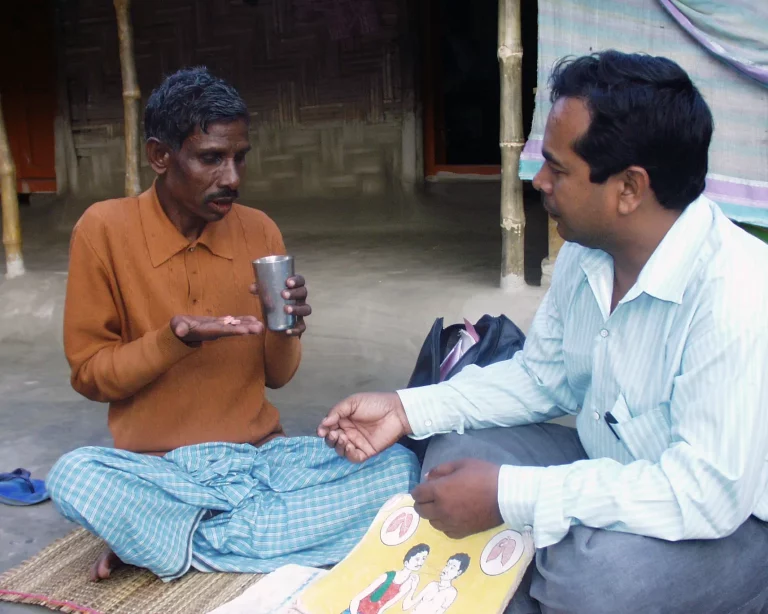
Dr Mandal, a private health provider, believes it is his responsibility to ensure his community benefits from government-funded healthcare, including free TB diagnosis and treatment.

Trained by TB Alert’s DIVINE project, he refers individuals with TB symptoms for project-supported diagnosis and provides patients with directly-observed therapy.

Venkata:

Changing the script on TB - a powerful prescription for change.

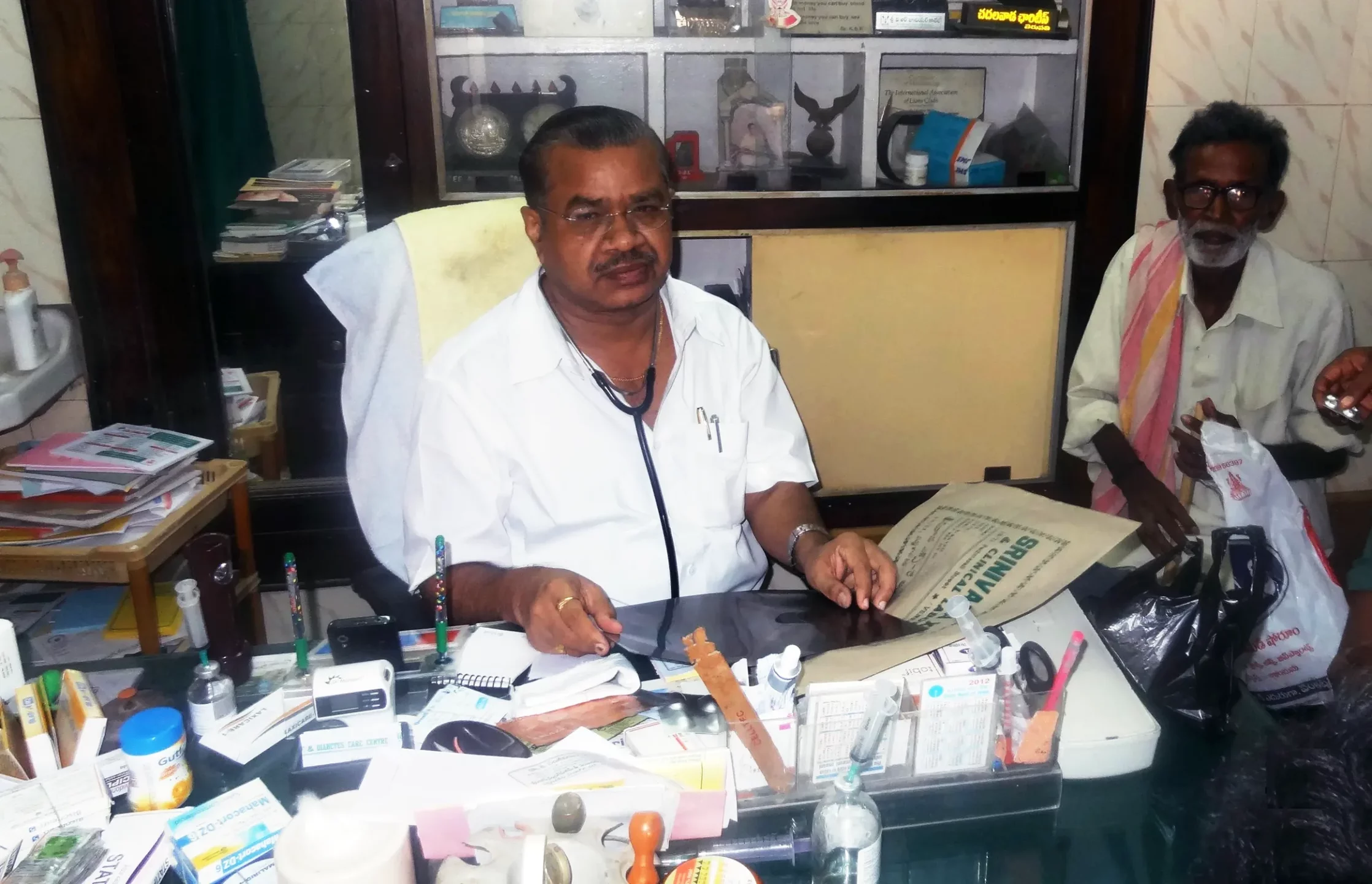
Venkata Swami, a local pharmacist in a remote region of Andhra Pradesh, is the first point of healthcare for his community. Through TB Alert’s training, Venkata recognises TB symptoms and where his patients can get the help they need.

Bridging the gap

Since 2000, TB Alert has been actively working in India to bridge these gaps, collaborating with the government to ensure that even the most vulnerable communities can access life-saving treatment.

In 2004, our sister organisation, TB Alert India, was established and has since been a driving force in wide-ranging efforts to combat TB across the country.

TB Alert India: Reaching communities in need
Working closely with the Indian government, TB Alert India helps ensure people are treated and cured by the national TB programme.

The organisation brings together local grassroots organisations, traditional healers, pharmacists, women’s self-help groups, people living with HIV, ex-patients and government health services.

Together, they raise awareness of TB and refer people with symptoms to local health centres for diagnosis and treatment.

TB India projects

Breaking the barriers (BTB) is a community engagement initiative tackling tuberculosis (TB) in India, directly supporting the Indian government's national strategic plan to reduce TB-related illness.

Making strides in four high-burden districts across Telangana: Sangareddy, Hyderabad, Warangal, and Mahabubabad. This vital initiative is specifically designed to reach and support diverse vulnerable communities, including industrial workers in Sangareddy, at-risk urban populations in the bustling cities of Hyderabad and Warangal, and the often-underserved tribal communities in Mahabubabad, working to break the cycle of TB and foster healthier futures.

What we’re fighting for

Our goal is to create lasting change by:

  • Developing and scaling effective behaviour change models among vulnerable populations to encourage positive health practices
  • Increasing TB case notifications to identify and register more patients, ensuring they receive the care they need
  • Improving treatment outcomes for individuals with both drug-sensitive and drug-resistant TB, helping them on their path to recovery
How we’re making it happen

BTB’s approach is patient-centered and deeply embedded within communities. We recognise the unique needs of each vulnerable group, conducting research to pinpoint specific challenges. This research then informs tailored behaviour change strategies and community engagement plans that directly address these needs.

Our activities focus on three levels:
Individual:

We provide patient-centered outreach, motivating individuals to adopt positive health behaviours and connecting them with quality healthcare services.

Interpersonal:

We facilitate joint sessions for TB patients and their caregivers, empowering patients and encouraging treatment adherence. We also link TB patients with crucial social protection services.

Community:

We build and strengthen existing formal, informal, and traditional community structures, mobilising them to create a supportive environment for TB patients and their families.

The impact we’re creating

Through BTB, we envision:

  • Empowered TB patients who develop self-esteem and aspire to a healthier future
  • The emergence of TB patient role models who inspire others by sharing their stories
  • Increased collective power within households to overcome challenges posed by TB
  • Increased demand for TB services within communities
  • A supportive environment for TB patients and their families

Delhi, a city of over 21 million, sees more than half its residents living in slums and lacking basic services.

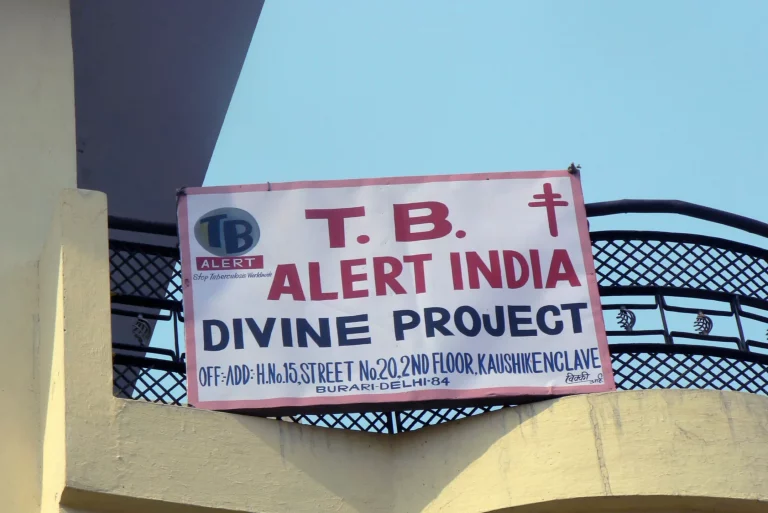
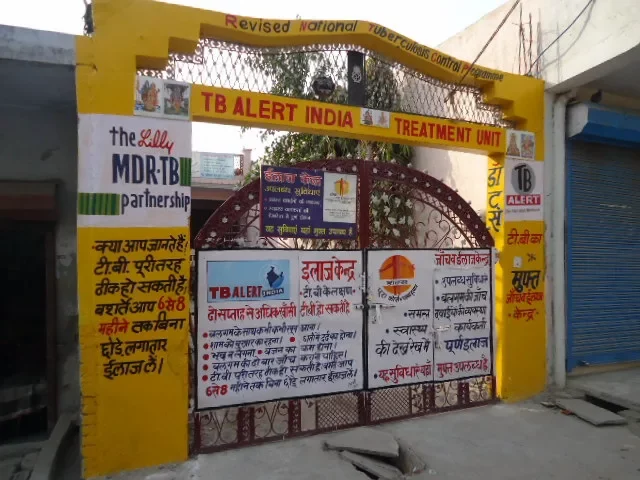
The Delhi integrated community volunteers initiative (DIVINE) TB project, launched in 2008 by TB Alert’s sister organisation, TB Alert India, works in the Burari and Sant Nagar districts of Delhi. Its focus: actively involving communities as stakeholders in raising TB awareness and motivating patients for testing and treatment.

Early success underpins long-term impact:
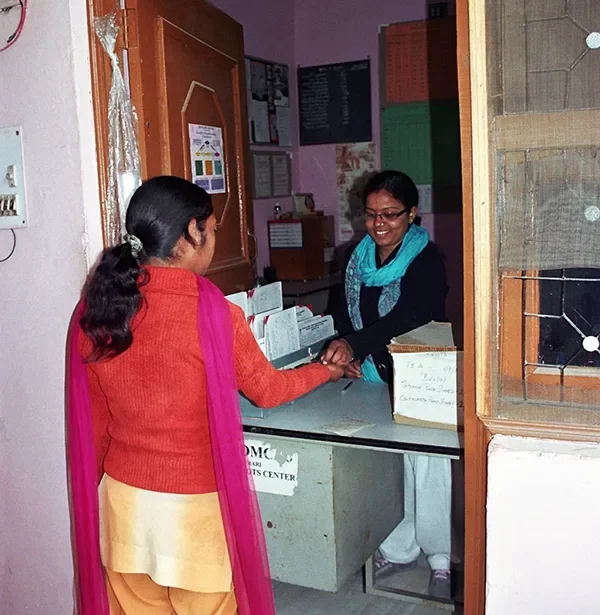
The DIVINE project began by establishing diagnostic centres in the slum areas of Sant Nagar, Swaroop Nagar, and Ibrahimpur, along with a central treatment unit staffed by qualified clinicians

All these facilities receive essential drugs, laboratory equipment, and awareness materials from the Indian government. The unit provides antibiotics for drug-sensitive TB and refers complex and drug-resistant cases to the nearby Rajan Babu TB hospital.

In a major success, the three initial diagnostic centres were transferred to the Delhi health authorities, ensuring their long-term sustainability. Divine then established new diagnostic centres in the Balasva, Mukundhpur, and Bwana localities, maximising reach and impact.

Urmila:

A compassionate "big sister" in the community.

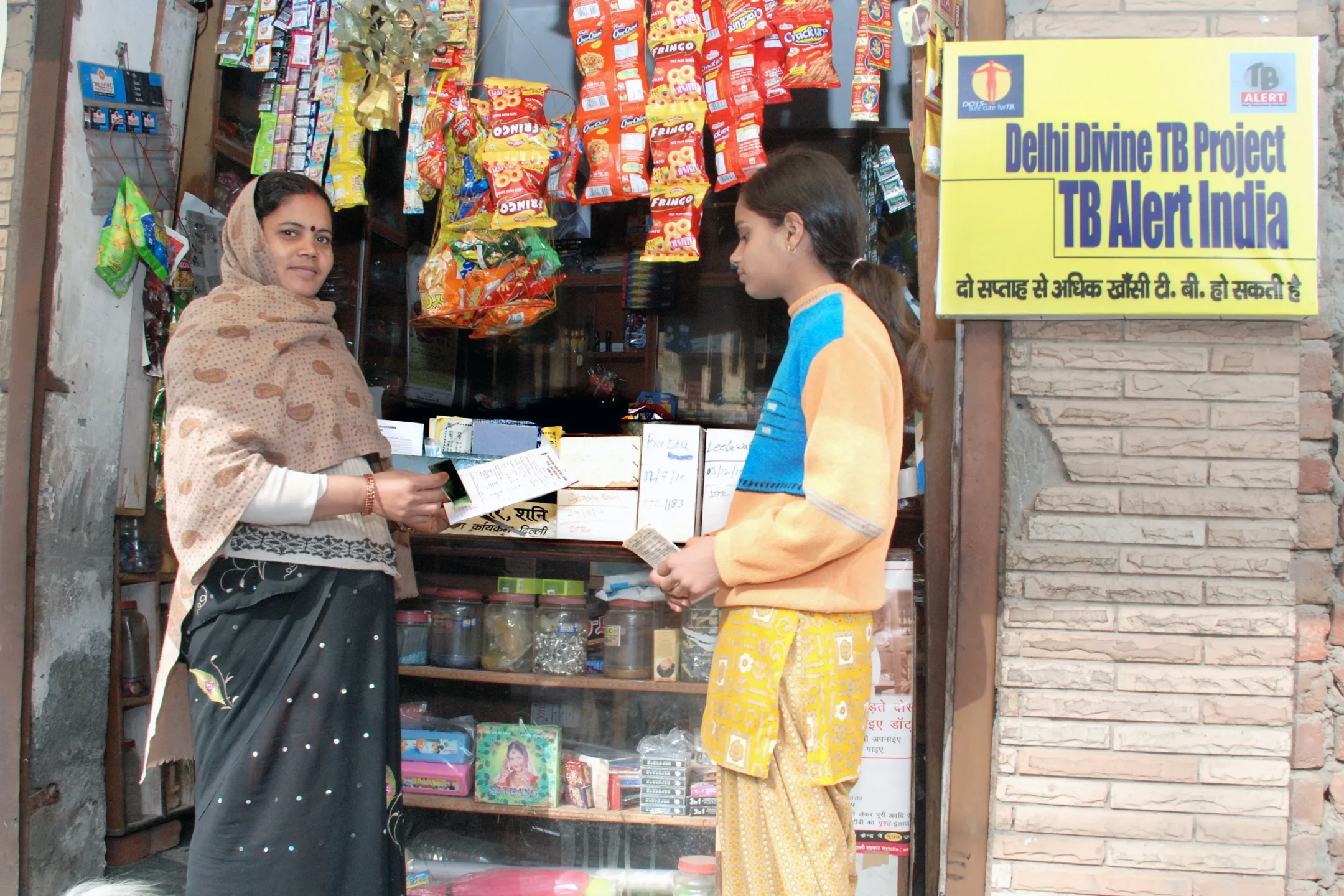
When DIVINE conducted a TB survey in Nathupura, they met Urmila a local shop owner. Urmila provided invaluable insights on the area but she was also inspired!

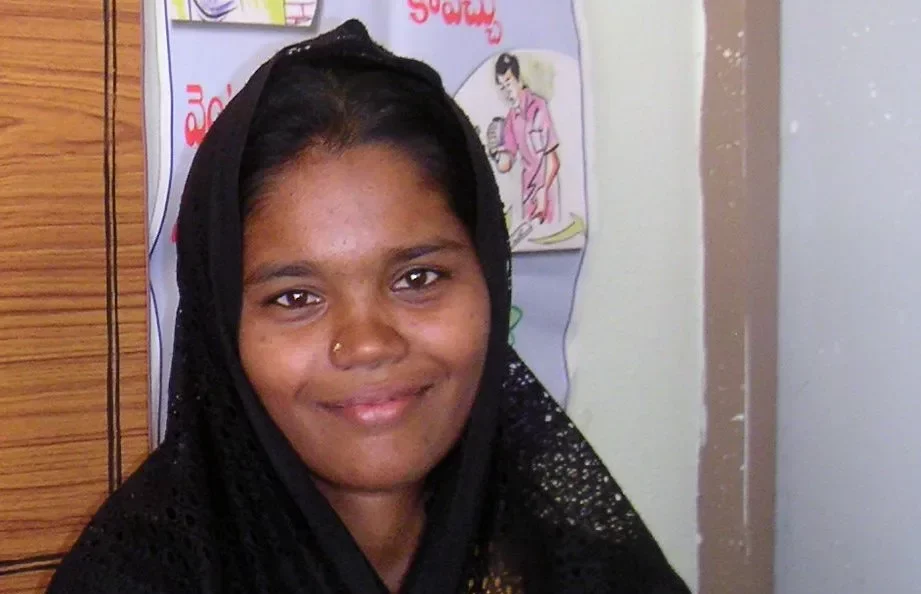
Urmila trained as a directly observed treatment provider allowing her to deliver TB medication in the heart of her local community. Patients fondly call her Didi (big sister).

What we’re working towards

Our primary objectives are to:

  • Ensure early detection of TB cases and increase case detection rates and treatment surveillance
  • Strengthen identification of multi-drug resistant (MDR) cases and ensure their complete treatment
How we’re making a difference

The DIVINE project adopts a community-centric approach to strengthen the revised national tuberculosis control programme (RNTCP). We achieve this by providing information and training on TB to community volunteers, private health providers, paediatricians, and directly observed treatment short-course (DOTS) providers.

Our activities include:

  • Developing strong linkages with other local service providers, community-based organisations, and support groups
  • Developing volunteers and community DOTS providers to support patients in completing their treatment
  • Generating widespread awareness about TB within the communities
  • Referring people with TB symptoms to the project’s designated microscopy centres
  • Providing DOTS support to TB patients
The outcomes we’re seeing

Divine is creating:

  • A bank of committed volunteers and community DOTS providers
  • Reduced transmission of TB
  • Increased TB case detection
  • Higher rates of patients completing their treatment, leading to a reduction in drug-resistance
  • Increased number of multi-drug resistant TB cases that successfully complete treatment
  • Community health support systems with the capacity to raise awareness of TB and refer patients
The escalating challenge of drug-resistant tuberculosis (DR-TB) in India, particularly in high-burden states like Telangana, demands swift and precise diagnostic solutions.

To combat this, a vital pilot project is underway, designed to ensure individuals suspected of having DR-TB receive rapid and accurate testing.

By forging closer linkages between sample collection and laboratory testing, this initiative aims to dramatically reduce diagnostic delays, thereby preventing treatment dropouts and ensuring patients in six critical Telangana districts—Hyderabad, Jayashankar Bhupalapally, Mulugu, Asifabad, Gadwal, and Wanaparthy—receive the timely and effective care essential for overcoming this complex form of TB.

What we’re aiming for

Our goals are to:

  • Improve testing: Ensure everyone who might have TB, especially drug-resistant forms, gets the right tests promptly.
  • Streamline processes: Make sure samples get from local collection points to specialised testing labs efficiently.
  • Achieve quick results: Drastically cut down the time it takes from sample collection to test result.
  • Ensure accurate records: Reduce errors in recording and reporting test results at all levels, from local centres to specialised labs.
  • Provide consistent follow-up: Ensure that follow-up samples are collected and processed on time, as needed for monitoring treatment progress.
How we’re doing it

The project aims to significantly reduce the turnaround time for samples from local collection sites to advanced testing centres. We achieve this by utilising specialised specimen collection and transportation agents, who also play a crucial role in delivering results, initiating treatments, and following up with patients.

Our core activities:

  • Developing detailed patient lists
  • Efficient sample collection and delivery
The impact we anticipate

This project will lead to:

  • More people who might have TB receiving advanced tests within two days of their sample being collected
  • More people with MDR-TB receiving advanced tests within 12 days of sample collection, including delivery of results
  • More follow-up samples processed using specialised tests within 60 days, ensuring timely monitoring of treatment
TB Alert India is a key implementing partner in the Integrated Measures for Prevention and Care in TB (IMPACT-India) project, a crucial programme dedicated to strengthening community-led efforts and empowering individuals in the fight against TB across India.

Recognising that sustainable change begins at the grassroots, our contribution to IMPACT focuses on transforming TB survivors into powerful advocates, ensuring deeper engagement with local health institutes, and building healthier, stigma-free communities, thereby significantly contributing to India’s ambitious goal of ending TB.

What we’re striving for
  • Empower TB survivors: To transform individuals who have overcome TB into influential TB Champions
  • Enhance community engagement: To foster deeper connections and collaboration with local Ayushman Arogya Kendra/Mandir private health institutes.
  • Promote gender-inclusive leadership: To ensure women play a significant role in leading TB elimination efforts within their communities.
  • Strengthen awareness and early action: To improve community understanding of TB symptoms, encourage early diagnosis, and promote treatment adherence.
How we’re achieving it

The IMPACT-India project establishes effective and sustainable structures by investing in human potential at the community level.

  • Comprehensive training for TB survivors: Equipping them with essential advocacy skills and digital literacy to effectively communicate and support others.
  • Close collaboration with government programmes: Working hand-in-hand with the National TB Elimination Programme (NTEP) personnel to integrate community efforts with national strategies.
  • Extensive community outreach: Organising ‘Gram Panchayat’ village council meetings, school awareness programmes, and mass community gatherings to educate the public and reduce stigma.
  • Direct patient support and guidance: Enabling TB Champions to guide and motivate individuals with TB to successfully complete their treatment journey.
The change we’re seeing
  • An increase in the number of empowered TB Champions across Punjab.
  • Enhanced community awareness and a reduction in social stigma surrounding TB.
  • Improved rates of early TB diagnosis and successful treatment completion, driven by the direct support and advocacy of TB Champions.
The emergence of inspiring individuals who are actively reshaping narratives and building healthier, more supportive communities for future generations.
TB Alert India is a key implementing partner in the Joint Effort for Elimination of Tuberculosis (JEET) project, a project dedicated to enhancing the quality of TB care across India.

Recognising that many patients seek treatment outside of government health services, our contribution to JEET focuses on building strong, effective partnerships with private healthcare providers. By working collaboratively, we ensure that every patient, regardless of where they seek care, has access to accurate diagnosis, appropriate treatment, and crucial support, thereby significantly contributing to India’s ambitious goal of ending TB.

What we’re striving for

Our objectives are clear:

  • Gain a deeper understanding of the private healthcare sector’s crucial role in TB care
  • Map and prioritise key private sector healthcare providers committed to quality TB services
  • Facilitate access to affordable, government-approved TB diagnostics for patients in the private sector
  • Ensure access to early, appropriate, and free treatment, along with robust adherence support systems, for private sector patients
How we’re achieving it

JEET establishes effective and sustainable structures known as patient provider support agencies (PPSAs). These agencies offer comprehensive support to TB patients throughout their treatment journey.

Our key activities include:

  • Mapping private healthcare providers and identifying “champion” providers committed to quality TB care
  • Sustained engagement with private providers through regular visits and continuing medical education
  • Facilitating private sector notifications of TB cases on the national registry
  • Establishing crucial linkages to quality-assured, free diagnostics and treatment services
  • Providing essential support to ensure treatment adherence
The change we’re seeing

JEET is leading to:

  • A significant increase in the number of TB patients approaching private providers who are successfully notified and referred to government-sponsored TB units.
Support our work in India

Sukhroop:

From survivor to changemaker.

Shy Sukhroop experienced the devastating isolation of TB firsthand at the height of the COVID-19 pandemic, which added another layer of fear and misinformation to the disease. Following her recovery, she trained with TB Alert India as a TB Champion and has the confidence today to draw on her own journey to educate and inspire, speaking on TB at village council meetings, in schools, and at community gatherings.

Anjali:

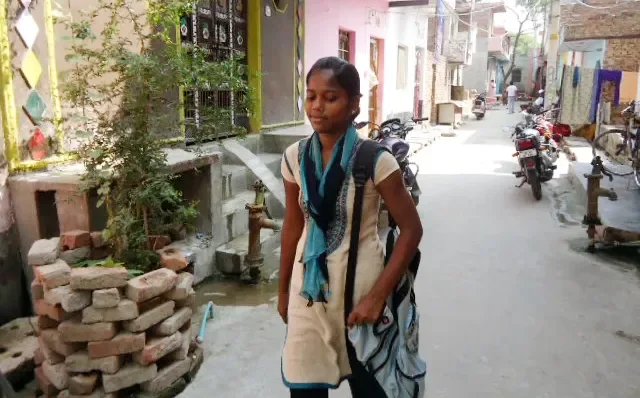
A young TB fighter triumphs over MDR-TB.

Multi-drug resistant tuberculosis (MDR-TB) requires a long and gruelling course treatment, particularly for someone as young as Anjali, who was just 14 when she received this devastating diagnosis. Thankfully, she successfully completed her treatment following family counselling through TB Alert.