The Truth About TB

If you are concerned about tuberculosis (TB), you’ve come to the right place.

These pages provide clear information, practical advice, and sources of support for every stage of the TB journey, from understanding infection, symptoms, and risks to treatment and recovery. You’ll also find real stories from people who have experienced TB, as well as answers to common questions from others who share your concerns.

If you have symptoms like a cough, fever, weight loss, loss of appetite, night sweats, or tiredness and are concerned it could be TB, please seek urgent medical advice. Call 111 or make an appointment with your GP. You can find information on registering with a GP through the NHS website.

This website also offers comprehensive and medically approved information about TB. We aim to be your trusted resource for understanding this condition.
Our information focuses on services available in the UK. If you’re looking for details on TB services in other countries:

What is TB?

Tuberculosis (TB) is caused by the airborne bacteria ‘Mycobacterium tuberculosis’. If you breathe in TB bacteria, you may develop either a TB infection (latent TB) or TB disease (active TB).
TB disease is what people usually mean when they talk about ‘having TB’.

If you have TB disease:

The bacteria are causing damage to your body. This can make you increasingly ill,

Find out more about TB disease

If you have a TB infection:

You have TB bacteria in your body that could make you ill with TB disease in the future.

Find out more about TB infection
The language used about TB is changing:
The terms Active TB, TB Disease and Active TB Disease all mean that you have TB causing damage in your body; the terms Latent TB, TB Infection and Latent TB Infection all mean you have TB bacteria living quietly in your body.
It is important to understand these terms – we’re here to help explain them if you feel confused:

Phone: 0330 102 2403

Remember:

TB testing and treatment are free and confidential for everyone living in the UK.

What is TB disease (active TB)?

This section explains TB disease. Read this if you feel unwell or have TB symptoms. If you feel well but are worried you might have a TB infection, go to the TB infection section instead.

How could I have TB, that Victorian disease which killed off Nicole Kidman in Moulin Rouge?

No one in the UK got it anymore. Plus, I felt fine.

Laura

Questions about TB disease

TB in the lungs or throat (pulmonary TB) are the only forms of the illness that are infectious, which means it can be passed on to other people.

However, TB can also affect any other part of the body, including kidneys, brain or bones. This is called non-pulmonary TB – and it is not infectious.

When I was diagnosed with TB I was surprised, as I thought it was a Victorian disease.

Amy
When someone with TB in their lungs or throat coughs or sneezes, they send droplets into the air that contain the TB bacteria.

If you breathe in these bacteria over a long time you may become ill with TB.

But most people won’t get ill because:

  • you normally need to spend many hours close to a person with infectious TB to breathe in enough bacteria to be at risk
  • most people’s immune systems are strong enough to kill off TB bacteria

TB cannot be spread through touch, sharing cutlery, bedding or clothes.

Drug-resistant TB can occur when TB bacteria become resistant to Rifampicin the most powerful antibiotic normally used to treat the illness.

This means the TB is more difficult to treat and treatment will take much longer (usually at least six months but up to 18 months).

TB cases in the UK have begun to rise again in recent years, reaching around 5,000 cases annually.

This is too many for a disease that is preventable. The good news is that most people are successfully cured with a free course of treatment.

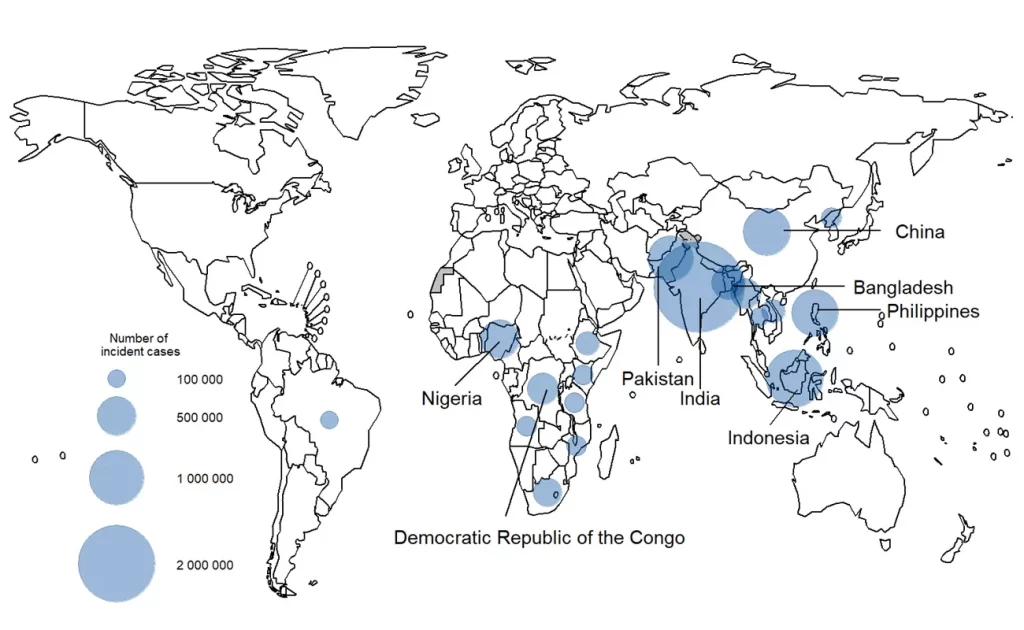
Every year, around the world nearly 11 million people are diagnosed with TB, and 1.2 million die of the disease.

This is mainly because they cannot get the drugs that would make them better.

Remember:

If you are worried you might have TB, please see your doctor or register with a GP to make an appointment. Anyone living in the UK can register with a GP. TB is curable and treatment is free.

Am I at risk of TB?

TB is rare in the UK and most people don’t need to worry about it, particularly if their health is generally good.

Your greatest risk of catching TB is through spending a lot of time with people who have TB bacteria in their lungs or throat which they pass on by coughing or sneezing.

You also have a greater risk of catching TB if you:

were born in or have links to countries with high rates of TB, including those in sub-Saharan Africa, the Indian sub-continent and parts of eastern Europe

live in an area where there are a lot of people with TB – TB is concentrated in cities with London, Leicester and Bradford particularly affected

are or have been homeless or live in poorly ventilated or overcrowded accommodation

have a weakened immune system, for example as a result of another illness or immunosuppressive treatments

are HIV positive

regularly use drugs or alcohol

have been in prison

Information about TB risk

If you are healthy, you probably have a strong immune system and your body can fight off most infections from bacteria or viruses. This means, if you breathe in TB bacteria, your immune system would probably kill them off straight away, without you ever getting ill or knowing about it.

But if you are run down or have another illness, your immune system might not be strong enough to fight the TB bacteria effectively. Stress, poor diet, certain medications, being pregnant or elderly can also weaken a person’s immune system.

Many different things can make your immune system weak, including:

  • not getting enough fresh food and vitamins
  • not sleeping enough
  • working too hard or partying too much
  • using drugs, drinking alcohol and smoking
  • stress
  • poor housing
  • long-term illness, which affects your immune system – diabetes or HIV, for example
  • medications that suppress your immune system – ask your doctor for advice
  • being pregnant or elderly

Having a weakened immune system doesn’t mean you will get TB. But it can make you more at risk of infection, especially if you spend time with someone who is coughing or sneezing out TB bacteria.

People living with HIV are much more likely than others to get ill with TB if they breathe in the bacteria. This is because HIV weakens the immune system, which makes it harder for the body to fight off infections.

Having HIV also makes TB more difficult to diagnose and treat. Leaving a TB infection untreated speeds up the damage to a person’s health from HIV.

If you are diagnosed with TB, you can ask for an HIV test. Knowing you are HIV positive and have TB is important for you and for the people treating you. You can be treated for both infections at once and getting rid of TB will help your HIV medication work better.

If you are HIV positive you need to know the symptoms of TB – cough, fever, weight loss, loss of appetite, night sweats, tiredness. Also, ask for a TB test if you think you might have been in contact with someone with TB, even if you don’t have any symptoms.

Drinking, smoking, taking drugs and late nights can affect your immune system – so you can’t fight off infections as easily.

Smoking tobacco, cannabis and other drugs, such as crack and heroin, can also give you a cough. You may think you just have a smoker’s or drug-related cough, but this could be TB in your lungs – particularly if your cough changes. Keep an eye out for other symptoms of TB – cough, fever, weight loss, loss of appetite, night sweats, tiredness. If you think you might have TB, see a doctor.

It is easier to get TB if you have little or no heating and live in damp, dark or dusty conditions without windows you can open. TB bacteria can live for longer in damp and dusty rooms where there’s no fresh air. If it’s dark, the bacteria can’t get killed by sunlight.

Poor living conditions and overcrowding both increase TB risk. Hostels, student halls, prisons, refuges and rented housing with many people living together are all places where TB can spread more easily.

But remember: you can’t get TB by sharing food, plates, cutlery or clothes.

If you are homeless, your immune system can get very weak. This means that if you spend time close to someone who has infectious TB, you are more likely to get become ill yourself.

Homeless people who have TB are also likely to be diagnosed late, when they are already seriously ill. Homeless hostels tend to be busy, meaning untreated TB can be passed on to more people quickly.

Coming from a country with high levels of TB

People who have lived in a country that has a lot of TB cases are more likely to have been exposed to TB bacteria. If you have breathed in TB bacteria from someone who has TB in their lungs, it is possible for the bacteria to stay in your body without you actually getting sick. This is called a TB infection, you may also hear it described as ‘latent TB’.

However the bacteria could, at some point turn into TB disease, which is often called ‘active TB’ or just TB. TB disease has symptoms – cough, fever, weight loss, loss of appetite, night sweats, tiredness – that increase over time. You are more likely to fall ill with TB if your immune system becomes weaker for some reason. Stress, poor nutrition and poor living conditions all make this more possible.

Getting registered with a local GP is a great way to look after the health of yourself and your family. If you are at all worried that you have TB symptoms, talk to you GP and ask for a TB test.

The good news is that TB tests and treatment are free and available to everyone in the UK.

Visiting overseas

You are not very likely to catch TB on a short holiday. You have to live and work closely with people with TB in their throat or lungs for quite a long time to catch it.

This means you risk of TB increases if you:

  • regularly stay with friends and family who live in countries where TB is common
  • regularly have guests in your home who are visiting from countries or areas of the UK where TB is more common
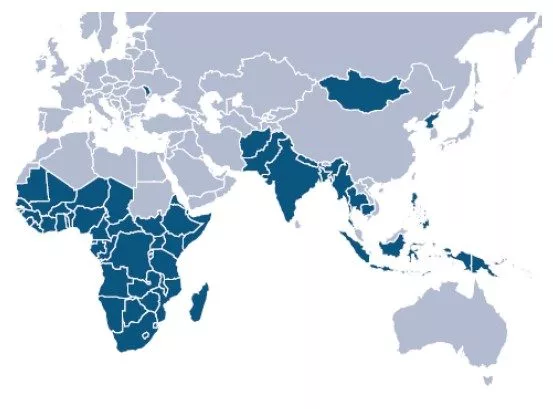
The following countries are considered to be ‘high risk’ for TB:

TB symptoms

The symptoms of TB can appear slowly and you may not have all of them. Always see a doctor if you are worried. And remember, TB is curable and treatment is free for everyone in the UK.
The most common symptoms of TB:

a cough for three weeks or longer

weight loss

loss of appetite

high temperature or fever

night sweats

extreme tiredness or lack of energy

Arthensia:

an overheard conversation leads to a eureka moment

Arthensia suffered for a year with symptoms, including a sore throat, tiredness, dizziness, and a swollen stomach, which were misdiagnosed as allergies or self-treated with cold remedies.

When she overheard her doctor discussing TB symptoms, she realised, “That’s it!”.

Information about TB symptoms

Symptoms of TB will depend on which part of the body is affected.

For example, a cough is a common symptom of TB in the lungs. Someone with TB in the lymph nodes may notice a lump on their neck. Aches and pains in the joints could be TB in the bones. TB meningitis often gives a person severe headaches.

If you have a cough that won’t go away or other TB symptoms, go and see a doctor and ask to be tested for TB.

Early diagnosis means there is less chance of long-term damage to your body, makes it easier to treat and reduces the risk of other people catching TB from you.

These were actually classic signs of TB, but my doctor kept giving me inhalers, more antibiotics, and painkillers. Nothing helped.

Louise

When I found out I had TB I was actually relieved! By that point I felt so awful I just wanted answers, it was awful not knowing.

Gemma

Testing for TB disease

If your GP suspects you may have TB, they will send you for testing.

If you do have TB, it’s best to know as soon as possible. Getting treatment early will lead to a quicker diagnosis and will reduce the chances of longer-term health problems as well as decreasing the risk to people close to you.

Information about testing for tb

There are a range of tests to show if you have TB, such as a chest x-ray, sputum sample or biopsy.

Chest x-ray: A chest x-ray can show damage in your lungs, but you might need further tests to prove you have TB, such as sputum and culture tests or scans.

Testing sputum: A lab will use a microscope to look at any sputum (phlegm) that you cough up. If there are TB bacteria in your sputum, you have tuberculosis of the lungs or throat (pulmonary TB). This test also helps doctors to understand how infectious you may be.

Biopsy: If it is thought that you have TB, which is not in your lungs or throat, the doctor may do a biopsy which is when a small sample of tissue or fluid is taken from the area where the TB is thought to be.

Culture test: This test uses your sputum or tissue sample to grow any TB bacteria that may be there. It tells doctors how infectious you are and also whether your TB is resistant to any antibiotics. This helps ensure they put you on a combination of drugs that will cure you. As TB culture grows slowly, it may take up to eight weeks to get some of the results.

If you are being tested for TB infection, there are two types of test you may be given:

TB skin test: A skin test (also called a Mantoux test) is an injection of a tiny amount of tuberculin extract under the skin of your forearm. If you have been exposed to TB bacteria in the past, your skin can become raised and red, which can mean a positive result. It’s not generally painful but could be itchy. You can also get a positive result if you have had the TB vaccine (called the BCG).

IGRA test: Interferon-Gamma Release Assay (IGRA) is a blood test that can diagnose TB infection by looking at the immune system cells in the blood.

It is likely you will also need a chest x-ray and assessment by a doctor or specialist nurse.

Before getting a BCG vaccination, people are given a skin test (also called a Mantoux test).

This is an injection of a tiny amount of tuberculin extract under the skin of your forearm. If the test is negative you may be given BCG in the next three months.

If you have spent a lot of time close to someone with infectious TB, your local health service will get in touch with you to arrange a check-up. This is to see if you have a TB infection or are showing signs of TB disease. It is important you attend because you can then start TB treatment if you need it.

A close contact is generally defined as someone you live with or spend a lot of time with. This often includes family members or close friends. More rarely, it may include people you see in settings where you spend a lot of time, for example your workplace or a place of education.

If you have not been contacted by your local health service and are worried that you may have caught TB from a close contact, phone your local TB service or GP. They will arrange an appointment for you if necessary.

What happens during the check-up?

The doctor or nurse will check to see if you have been infected with TB.

They might ask questions to see if you have symptoms, like:

  • Have you had a cough that won’t go away?
  • Have you had a fever or night sweats?
  • Have you lost weight without trying?
  • Do you feel tired all the time?

You may be offered one or more tests such as:

  • a skin test called a Mantoux Test, this may have to be repeated in 6-8 weeks
  • a blood test
  • a chest X-ray

The results of these tests will help determine the advice or treatment which is best for you.

Don’t be surprised if different members of your family are not treated in exactly the same way.
Treating TB disease

Starting tuberculosis (TB) treatment early is crucial. It helps you feel better sooner, reduces the risk of long-term damage to your body, and stops the spread of the disease.

In the UK, TB treatment is free for everyone, regardless of immigration status.

A few times I would think ‘today I won’t bother to take them’ but then I would look at my kids and think, ‘no, I’ve got to’…

Natalie

Information about TB treatment

TB treatment typically involves a mixture of four antibiotics. You'll usually need to take these medications for at least six months to ensure all the TB bacteria are killed.

Common antibiotics include:

  • Isoniazid
  • Rifampicin
  • Pyrazinamide
  • Ethambutol

Sometimes, these medications are combined into a single tablet, such as Voractiv (containing all four) or Rifater (containing Isoniazid, Rifampicin, and Pyrazinamide). After the first two months, your treatment might switch to a combination of only Rifampicin and Isoniazid, which can also come in a single tablet called Rifinah.

The exact length and type of your treatment will depend on several factors:

  • where the TB is located in your body
  • whether the TB bacteria are resistant to any antibiotics
  • how quickly you improve with treatment
  • if your medication needs to be changed due to side effects
read Imla’s story: finding faith during an uncertain journey
It's really important to take all your medication as prescribed to completely kill the TB bacteria and prevent the illness from returning. Even if you start feeling better, which may take weeks, continue the full course of treatment.

If you have TB of the lungs or throat, you’ll normally become non-infectious a few weeks after starting antibiotics. Your TB nurse or team will advise you on when you no longer need to take precautions to protect others.

Staying in touch with your TB nurse is vital. They can offer support, and you should tell them if you experience any problems with your treatment. You might also find it helpful to have a “treatment buddy” – a family member or close friend who can remind you to take your medicine.

Find out more about treatment support through DOT or VOT
With any medication, it is possible to have side effects. Most are nothing to worry about and will go away.

Your TB nurse or doctor should advise you of potential side effects before you start your treatment.

These can include:

  • feeling sick or dizzy
  • skin rashes
  • pins and needles
  • flu-like symptoms
  • orange body fluids (th is is not harmful)

In very few cases, people may experience jaundice, which is the yellowing of skin or eyes. If this happens, stop taking your medicine and tell your doctor straight away.

You should always discuss any side effects with your doctor or nurse. It may be possible to change your medication.
Drug-resistant TB is more difficult to treat than ordinary TB. The medicines used against it have a greater number of side effects and need to be taken for longer – up to two years.

If you have drug-resistant TB you are more likely to be admitted to hospital for treatment and may be offered directly observed treatment (DOT) or video observed therapy (VOT) to help you keep taking the medication for as long as needed.

Although you may feel better, if you don’t finish your treatment the TB bacteria are still in your body.

You could become seriously ill, develop drug-resistance or pass TB on to others. Remember – untreated TB can be fatal.

Finishing treatment is the only way to cure tuberculosis completely.
Finding it hard to stay on treatment? Taking many different tablets each day can be difficult, and there might be a lot of other pressures on you.

The good news is that support is available through Directly Observed Treatment (DOT) or Video Observed Therapy (VOT). This support helps you stay motivated and ensures your TB is cured completely.

If you are having trouble taking your TB tablets regularly, or if you have drug-resistant TB (which involves more tablets and lasts longer), your TB team will likely offer you DOT or VOT to help.

What are DOT and VOT?
Directly Observed Treatment (DOT):

Instead of being sent home with all your tablets, you will take your daily dose in the presence of a healthcare worker or trained supervisor. This might involve visiting your local hospital or pharmacy, or a nurse can come to your home. This means you have someone to chat to, and they can make sure you take your treatment correctly.

Video Observed Therapy (VOT):

VOT is a modern, flexible alternative to traditional DOT, using technology to support your TB treatment. Instead of meeting a healthcare worker in person every time, you use a smartphone or tablet to record a short video of yourself taking your daily doses. This video is then securely sent to your healthcare team for review.

Once your course of treatment is finished, you may have tests, such as a chest x-ray, to make sure you are clear of TB. You might need more treatment if tests show there is still TB bacteria in your body, but most people will get the all-clear. Your treatment will not be stopped until you are cured.

It is possible to catch TB more than once, if you are unlucky enough to breathe in TB bacteria at another time. Always take new TB symptoms seriously and get them checked out by a doctor.

After finishing treatment you might feel like looking at your life with new eyes. You have achieved a lot! Many people who have beaten TB choose to tell others about their experiences, to help encourage them through treatment or to raise awareness about the illness and its effects.

Not only have I now fully recovered, I’ve even managed to fulfil my lifelong dream to train as a soldier – and I’m already thinking about my next fundraising adventure!

Simon

You may like to be involved in TB Action. This is a community of people affected by TB in the UK, which works nationally to raise awareness, provide peer support and improve TB services.

Find out more about TB Action

What is a TB infection (latent TB)?

This section explains TB infection. If you are ill with TB symptoms, go to the TB disease section instead.

TB infection means that you have breathed in TB bacteria and may still have them in your body. The bacteria are not causing damage to your body and cannot be passed to other people. However, the TB bacteria can become ‘active’ in the future, making you unwell.

The good news is that you can treat a TB infection to help stop this happening.

Many people are offered testing and treatment for a TB infection, as this is a good way to help prevent getting TB disease in the future.

This section explains the differences between ‘TB infection’ and ‘TB disease’, why you may be tested for a TB infection, what the test involves, and the treatment available.

Remember:

If you are worried you might have TB, please see your doctor or register with a GP to make an appointment. Anyone living in the UK can register with a GP. TB is curable and treatment is free.

Questions about TB infection

Tuberculosis (TB) is an illness caused by bacteria. When someone with TB in their lungs coughs or sneezes, they send TB bacteria into the air.

If you breathe in these bacteria, one of three things will happen:

  • your body kills off the TB bacteria so they cannot harm you now or in the future
  • the TB bacteria make you ill – this is called ‘TB disease’
  • the TB bacteria remain in your body without making you ill – this is called ‘TB infection’.

About TB disease: When people talk about TB, they tend to mean ‘TB disease’, you may also hear it called ‘active TB’. If you have TB disease, the bacteria in your body are making you ill and you might be passing TB on to other people. TB can be very harmful to your health, but it can be cured with a course of medicine.

About TB infection: If you have a TB infection, the TB bacteria are in your body but they are not causing symptoms. You are not ill and you cannot pass TB on to others. However, the bacteria might become ‘active’ in the future making you ill with TB disease. The good news is that a TB infection can be treated to prevent this happening.

What are the main differences between a TB infection and TB disease?

TB infection

TB bacteria are in your body

you do not have symptoms and you feel well

you cannot pass TB on to others

it can only be detected through a blood test or TB skin test

Treated with one or two medicines over three to six months.

TB disease

TB bacteria are in your body and making you ill

you will have symptoms that make you feel unwell

you can pass TB to others if it is in your lungs

it shows up on a chest x-ray if you have TB in the lungs

Treated with four or more medicines over at least six months
Very few people fall ill immediately after they breathe in TB bacteria. If you are in good health, your immune system – your body’s defence against illness – is likely to remove all the TB bacteria that you breathe in.

If it is unable to do this, it may be able to stop you from becoming ill. The bacteria are still in your body, but they are not causing damage.

However, the TB bacteria can become active in the future, making you ill. This can happen many years after you first breathe in TB bacteria. The TB bacteria are more likely to become active if you experience lifestyle stresses or other illnesses that weaken your immune system.

Am I at risk of a TB infection?

About 1 in 4 people worldwide are thought to have a TB infection.

This is more likely if you have lived in a country where TB is more common. You are also more likely to have a TB infection if you know someone who has TB disease, have an illness or take medication that makes you more vulnerable to TB, or work in a healthcare setting.

Read Jason’s story: a ‘terrible disease’

Questions about TB risk

Without treatment for a TB infection, there is about a 1 in 10 chance that you will develop TB disease in your lifetime.

You are more likely to develop TB disease in the first five years after you breathe in TB bacteria, though you may not know when that happened.

You can still develop TB disease after you have the BCG vaccination.

This is because the vaccination offers limited protection and only for up to 15 years.

TB chest x-rays look for TB disease in the lungs.

This means that you may have TB bacteria in your body, even if you have had a clear chest x-ray.

If you are worried that you may have a TB infection for any reason, but you have not been invited for a test, phone your local TB Service or GP. They will arrange an appointment for you if necessary.

You can find out where your local GP is and how to register by visiting the NHS Choices website.

If you have a TB infection you do not have any symptoms.

The only way to find out if you have the TB bacteria in your body is to have a blood test or skin test.

Testing for a TB infection

There are some reasons why you may be more likely to have a TB infection or have a higher risk of going on to develop TB disease if you do have the infection:
If you know someone who has or has had TB:

You may be asked to take a test for TB if you have spent a lot of time with someone who has TB – it could be a family member, friend or colleague. This is called contact tracing.

If you have settled in England in the last five years from a country where TB is more common:

If you have settled in the UK in the last five years, and came from a country where TB is more common (in dark blue on the map), you may receive an invitation for a TB infection test through your GP surgery. You can also ask your GP for a test if you have not received an invitation. If you are not yet registered with a GP use the service finder on the NHS website.

This test is different to the x-ray that you may have had as part of your visa application process, which only looked for TB disease in the lungs. Having a test for a TB infection in the UK does not affect your right to be in this country, whether or not the test shows you have the infection or even if you have developed TB disease since you arrived.

You work in an occupation where the risks from TB are increased:

It is likely that you will be offered a test for TB infection before starting work in a health or social care setting. This will check whether or not you have been in contact with TB before starting the job and you will be offered preventive treatment if you need it. You may also be tested routinely during your time in the post as your role may put you at increased risk of exposure to TB. It is important to take the treatment to keep yourself well and reduce the chance of passing TB to the patients you care for.

If you have a health condition or take medication that affects your immune system:

You are more at risk of developing active TB if you have another health condition such as diabetes or HIV, or if you are taking medication which weakens your immune system. For this reason you may be offered a test to make sure you do not have any TB bacteria in your body. If you do, then you will be offered treatment which will prevent them becoming a problem.

You have been invited for a test for TB infection because you are at increased risk of becoming ill with TB.

There is no need to be worried. A TB infection can be treated before it can cause TB disease, and all testing and treatment for TB is free and confidential for everyone in the UK.

TB infection does not have any symptoms, but it has the potential to make you ill in the future.

Prevention is better than cure so it is a good idea to get tested for so that you can take treatment, if necessary, to protect your health in the future.

Two types of test can diagnose latent TB: a skin test or blood test. Other tests, such as a chest x-ray or investigating sputum/phlegm samples are used to look for active TB.

You may be offered either one of two different tests for TB infection, a TB skin test (known as a TST or Mantoux) or a blood test (known as an IGRA).

The test may be taken at your local GP practice, in a specialist TB clinic or occasionally in a local community setting. The doctor, nurse or other healthcare professional that performs the test will talk you through the test and possible outcomes, answer any questions you may have, and advise when you can expect the results.

The person taking the test may also ask a number of questions, to help identify your risk:

  • if you were born in, or have strong links to, particular countries
  • whether you know anyone who has had TB disease
  • if you have any long-term illnesses, such as HIV
  • if you take any medicine which weakens your immune system
  • if you currently have any unexplained symptoms
Skin test:

A tiny amount of TB extract is injected under the skin on your forearm. If your body has come into contact with TB bacteria, the skin becomes raised and red. You will need to return to the test centre between 48-72 hours later for the doctor or nurse to measure and interpret the results.

Blood test:

A small amount of blood is taken from your arm and sent to a laboratory. You will be told when to expect the results.

You may be offered tests for other conditions that can be found in someone’s blood (known as blood-borne viruses), before they start causing any obvious illness.

These include viruses such as HIV, hepatitis B and hepatitis C. Like TB, these can be treated in order to stop them causing problems in the future. If this is the case, these tests will be explained to you and you will be asked to give your permission for these tests to be done.

If you have received a positive test result:

This means that you have TB bacteria in your body. Try not to worry, TB infection can be cured with a course of antibiotics. Your GP will refer you to a specialist TB clinic. You will then see a TB doctor or TB nurse who will offer you support and treatment for the infection. It is also worth knowing that before treating you for a TB infection they will do some final tests to make absolutely sure you do not have TB disease.

If you have received a negative test result:

This means that you do not have TB bacteria in your body. However, there is a small chance that you might breathe in TB bacteria in the future. It is useful to remember the most common symptoms of TB disease and see your GP if you notice them:

  • a cough which lasts for three weeks or longer
  • fever (a high temperature)
  • night sweats
  • weight loss
  • no appetite
  • excessive tiredness

TB infection treatment

A course of antibiotic medicine will treat a TB infection. You may be given Rifampicin and Isoniazid for three months (which may be together in a tablet called Rifinah) or Isoniazid by itself for six months.

Your doctor or TB specialist nurse will talk you through the treatment and answer any questions you may have.

As with all medicines, there may be side effects. Some are mild, while others may be more serious.

Depending on the treatment you receive, you may experience the following side effects:

Rifinah (Rifampicin and Isoniazid in combination):
  • orange staining to tears, saliva, urine and other bodily fluids – this is not harmful but it may stain contact lenses
  • flu-like symptoms
  • menstrual disturbances
  • reduced effectiveness of hormonal contraceptives
  • tingling or numbness
  • rashes and itchiness
  • sickness or diarrhoea
Isoniazid:
  • tingling or numbness
  • rashes and itchiness
  • sickness or diarrhoea

Very rarely the medication can cause jaundice, which leads to yellowing of the skin or eyes. Isoniazid and Rifinah may affect your eyesight, but this is also rare. However, if you notice either of these side effects, stop taking your TB tablets and speak to a doctor or nurse immediately.

Prevention is better than cure. About 1 in 10 people with a TB infection will develop TB disease. And there is no way to know if you will be one of them.

It is possible to become ill with TB many years after you breathe in TB bacteria. Treatment is the only way to remove the TB bacteria from your body.

Treatment for a TB infection is often shorter than treatment for TB disease, and it involves less medication. These are all good reasons to treat the infection while you are healthy.

It is important that you take your medicine every day and complete the full course, to make sure all TB bacteria are removed from your body.

Try to take your TB medicine at least one hour before you eat food or two hours afterwards. You can eat anything you like, but you should avoid drinking alcohol.

You will receive support throughout your treatment from a doctor or TB specialist nurse. They will talk you through the treatment and answer any questions you may have. Once you have all the information you need, you will be able to decide whether treatment is the best option for you.

If you have started treatment, but are still have concerns, remember your doctor and nurse are there to help. Make sure you keep all your clinic appointments and tell your doctor or nurse any side effects you may have, or if you are having trouble to remember to take your medication – they will be able to help.

If you complete your treatment as prescribed, your risk of developing TB disease is much lower.

If you complete your treatment as prescribed, your risk of developing TB disease is much lower. However, it is possible you could breathe in the TB bacteria again in future. The chances of this are low for most people, but is useful to know the most common symptoms of active TB so you can see your GP if you have any of them:

  • a cough which lasts for three weeks or longer
  • fever (a high temperature)
  • night sweats
  • weight loss
  • no appetite
  • extreme tiredness